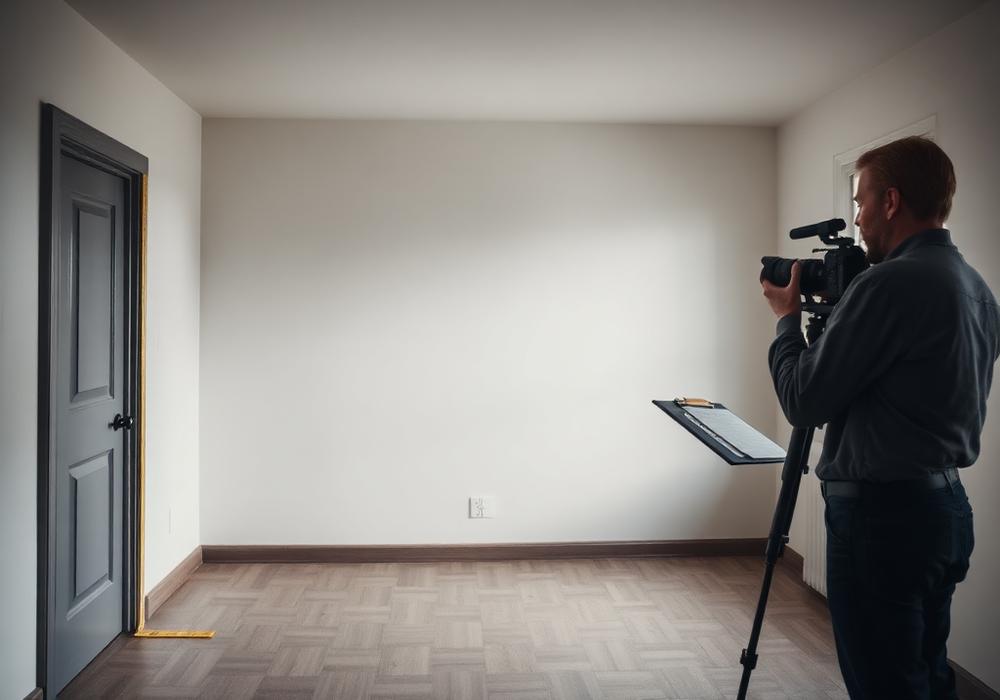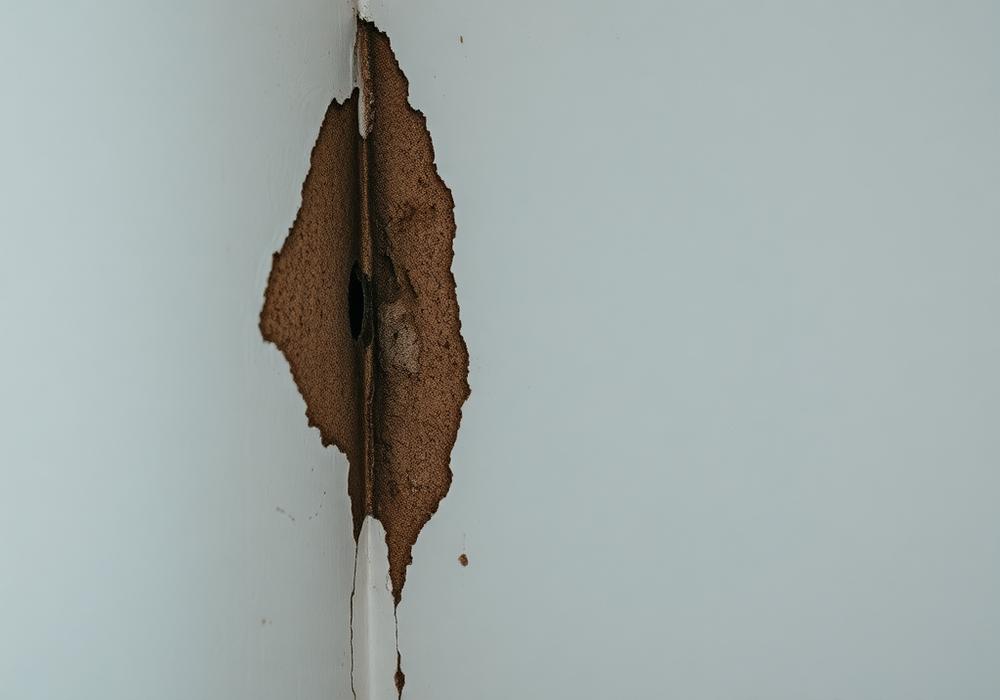
Our models are not magic and they do not read minds. They read pixels, and a surprising number of accommodation problems have consistent visual signatures: the dark irregular edges of damp, the straight bright line of a cracked panel, the absence of an object that should be in frame.
Detection runs in two passes. A classification pass answers 'does this room show a condition issue at all?' and a segmentation pass marks where. Both are trained on labelled inspection photography from our pilot partners, with personal information removed before training.
Change detection is where it becomes operationally useful. Comparing this month's photo of room 214 with last month's is what turns 'there is a stain' into 'this stain is spreading and the leak above it has not been fixed'.
Where the model is unsure, it says so. A low-confidence flag routes to a human inspector rather than raising a work order — overclaiming would cost your team more trust than the feature is worth.